
 Source:
He royal palm (Roystonea regia) short overview
He royal palm (Roystonea regia) is a towering tropical palm native to southern Florida, Mexico, Central America, and the Caribbean. It forms a smooth pale-gray trunk topped by a vivid green crownshaft and a broad crown of arching, featherlike fronds. In warm US climates it is valued as a dramatic street, park, and specimen tree, but its size, heavy falling fronds, regular water needs, and sensitivity to hard freezes require careful placement.
Taxonomic classification
He royal palm (Roystonea regia) care guide
Light and placement
Give full sun for the strongest growth and best crown development; young palms tolerate partial shade, especially in very hot sites. An open south- or southeast-facing position is generally suitable in the United States. Pale, stretched growth can indicate inadequate light, while scorched leaflets usually reflect heat, drought, transplant stress, or root problems rather than excessive light alone.
Watering and humidity
Water deeply and regularly while establishing, allowing excess water to drain away. Mature landscape palms prefer consistent moisture, particularly during hot or dry weather, but should not stand in saturated soil. Reduce irrigation during cool weather and increase it during prolonged heat. Mulch the root zone without piling mulch against the trunk.
Soil and growing medium
Use a deep, fertile soil that drains freely but retains some moisture. Sandy loam or loam is suitable; compacted sites and standing water increase root and disease problems. Slightly acidic to neutral soil is appropriate. In containers, use a coarse palm mix with excellent drainage rather than dense garden soil.
Feeding
Feed established outdoor palms during active warm-season growth with a controlled-release palm fertilizer supplying potassium and magnesium as well as nitrogen. Follow the product label and water after application. Do not fertilize drought-stressed, newly transplanted, or cold-damaged palms until they resume active growth; excessive fertility can reduce cold hardiness.
Growth and habit
A solitary, upright palm with rapid juvenile and landscape growth in heat, moisture, and full sun. It eventually becomes a very large canopy tree and is not naturally suited to repeated size reduction. Its self-cleaning habit reduces routine pruning, but the falling weight of mature fronds makes site planning and professional maintenance important.
Planting and repotting
Plant in spring or early summer after cold weather has passed, setting the palm at the same depth it occupied in its nursery container. Water deeply during establishment and keep competing turf away from the trunk. Allow generous clearance from buildings, roads, overhead utilities, and pedestrian areas because mature fronds are large and heavy.
Repot container plants only when roots have substantially filled the pot, preferably during warm active growth. Move up one container size at a time and disturb the root ball as little as possible. Because this is a fast-growing, ultimately very large palm, containers are a temporary solution rather than a long-term substitute for outdoor planting.
Propagation and pruning
Propagation
Propagate from fresh mature seed. Remove fruit pulp, clean the seed, and sow in a warm, consistently moist, free-draining medium. Germination is variable and may take several weeks to months. Seed propagation is more reliable than attempting cuttings because palms generally do not regenerate from ordinary stem cuttings.
Pruning
Do not cut green fronds for cosmetic shaping. Remove dead or hazardous fronds only when necessary, using trained personnel and proper equipment because mature leaves are long and heavy. Never cut into the crownshaft or damage the trunk. Plan maintenance before fronds become a falling hazard near buildings or paths.
Overwintering
In USDA Zone 10A, protect young palms from brief cold events with frost cloth and keep the root zone evenly but not excessively moist. Container plants should be moved indoors or into a heated, very bright shelter before freezing weather. Avoid pruning frost-damaged fronds until the danger of further cold has passed.
Uses
Used chiefly as a specimen, avenue, boulevard, park, and large commercial-landscape palm in tropical and subtropical regions. It can provide habitat and food resources for some wildlife, and its fruits are eaten by birds and other animals. It is generally too large for ordinary residential lots. Avoid planting where falling fronds could strike people, vehicles, roofs, or utility lines.
Appearance
The species is identified by its tall solitary trunk, smooth pale-gray surface with leaf-scar rings, slight trunk swelling, and conspicuous bright green crownshaft. Long pinnate leaves arch outward and downward, creating a broad, graceful crown. The trunk and crownshaft contrast strongly with the dark green foliage.
Flowering
This monoecious palm produces branched inflorescences beneath the crownshaft, with small cream to pale yellow flowers. Flowering can occur periodically, often with the strongest display in warm-season conditions. Fragrant flowers are followed by small, dark purplish fruits when mature.
Pollination and visitors
Small flowers are visited by native bees, flies, and beetles according to available US garden-wildlife documentation. The flowers provide floral resources, but the strength and composition of visitation can vary with climate, surrounding habitat, and the presence of other flowering plants.
Roystonea regia photos
Click any photo for a larger view. Source, author and license are shown separately.
Diseases and pests
Diseases
Avoid prolonged waterlogging and trunk injury, which can predispose palms to root or trunk rots. Watch for declining spear leaves, soft tissue, or unusual trunk discoloration. Remove severely affected material only with sterilized tools and obtain a local arborist diagnosis when the crown declines rapidly, because some palm diseases are fatal and difficult to manage after symptoms appear.
Pests
Inspect for royal palm bug, palm leaf skeletonizers, scale insects, mites, and weevils, especially when foliage yellows or becomes ragged. Maintain irrigation without chronic saturation, avoid trunk wounds, and use targeted treatment only after confirming the pest. Large mature specimens should be assessed by a qualified arborist before climbing or treatment.
Toxicity and pollen
No authoritative species-specific toxicity classification was located for humans, dogs, cats, or children. Absence of a listing is not proof of safety. Prevent ingestion of seeds and plant material, supervise pets and children around fallen fruit, and contact a medical or veterinary professional if symptoms follow ingestion.
- Typical season
- No reliable US-specific airborne pollen season established
- Pollination / pollen
- Flower pollen; airborne relevance not well documented
Species-specific airborne-allergy evidence is limited. The palm produces pollen as part of its flowers, but no reliable US pollen-monitoring profile or clinically established allergy classification was located. People with significant pollen sensitivity should avoid handling flowering material when symptoms are active and rely on personal medical advice.
Native habitat
Native populations occur in wet tropical and subtropical habitats including lowland forests, swampy woodlands, clearings, tropical hammocks, and Everglades tree islands. It performs best in warm climates with regular moisture, fertile soil, and good drainage, rather than in persistently dry or cold sites.
Interesting fact
The smooth green crownshaft is formed by tightly overlapping leaf bases.
Naturally shed fronds may weigh up to about 50 pounds when fresh.
A mature palm can produce a trunk roughly 2 feet in diameter.
The species is native to southern Florida and Cuba among other regions.
Its fruits mature to a dark purplish color.
The palm is widely used as a dramatic boulevard and park tree.
Frequently asked questions (FAQ)
The most relevant questions about this plant, with short and direct answers.
🌱Quick care
What is he royal palm, Roystonea regia?⌄
He royal palm is a large, fast-growing tropical palm valued for its smooth gray trunk, green crownshaft, and graceful feather-like fronds. It is best suited to spacious landscapes in warm, frost-free regions.
How much sun does Roystonea regia need?⌄
Roystonea regia grows best in full sun but tolerates partial shade. Provide several hours of direct sunlight daily for the strongest growth and most symmetrical crown.
How often should I water Roystonea regia?⌄
Water Roystonea regia regularly to keep the soil evenly moist, especially while it is establishing. Let excess water drain away because persistently waterlogged soil can damage the roots.
Is Roystonea regia fast-growing?⌄
Yes, Roystonea regia is a relatively fast-growing palm when it receives adequate warmth, water, sunlight, and nutrition. Its eventual size makes it unsuitable for most small residential yards.
🌤️Environment and placement
What USDA hardiness zone is Roystonea regia suitable for?⌄
Roystonea regia is generally suited to USDA Zones 10A through 11. It is frost tender and may survive brief cold near 28°F, but freezing weather can cause severe injury or death.
Can Roystonea regia grow in Florida?⌄
Yes, Roystonea regia grows well in warm parts of Florida, particularly southern Florida. Choose a spacious site with good drainage and protect young palms from unusual cold.
Can Roystonea regia grow indoors?⌄
Roystonea regia is not a practical long-term indoor plant because it becomes very large and needs strong light. A young specimen can be sheltered temporarily, but it will eventually require outdoor space in a warm climate.
How much space does Roystonea regia need?⌄
Allow substantial vertical and horizontal clearance because mature Roystonea regia commonly reaches about 50 to 70 feet tall with a broad crown. Do not plant it close to buildings, roads, utility lines, or areas where falling fronds could injure people.
Can Roystonea regia tolerate salt spray?⌄
Roystonea regia has some tolerance of coastal conditions and salt spray, but it is not ideal for direct exposure to salty or brackish water. Rinse foliage occasionally and avoid planting it where saltwater regularly floods the root zone.
Can Roystonea regia tolerate drought?⌄
Established Roystonea regia can tolerate periods of drought, but it grows best with regular moisture. Prolonged dryness can reduce vigor and worsen nutrient-related leaf symptoms.
💧Care and problems
What type of soil is best for Roystonea regia?⌄
Use deep, fertile, well-drained sandy loam or loam for Roystonea regia. The soil should retain moisture without becoming stagnant, and a slightly acidic to neutral reaction is generally suitable.
Why are Roystonea regia leaves turning yellow?⌄
Yellow leaves on Roystonea regia can result from water stress, poor drainage, cold injury, or nutrient deficiencies. Check the root-zone moisture and use a palm fertilizer that supplies potassium and essential micronutrients when deficiency is suspected.
Why does Roystonea regia have brown, frizzled leaf tips?⌄
Brown, frizzled leaf tips commonly indicate potassium deficiency, drought stress, root problems, or cold damage. Correct irrigation and drainage first, then consider a complete palm fertilizer containing potassium, manganese, and boron.
Does Roystonea regia need fertilizer?⌄
Yes, regular feeding with a slow-release palm fertilizer can help Roystonea regia maintain healthy foliage. Choose a product that includes potassium, magnesium, manganese, boron, and other palm micronutrients, especially in nutrient-poor or alkaline soils.
What pests attack Roystonea regia?⌄
Roystonea regia can be affected by royal palm bugs, palm leaf skeletonizers, weevils, scales, and other localized palm pests. Inspect new growth and the crown regularly, and use treatments appropriate for the identified pest.
What diseases affect Roystonea regia?⌄
Ganoderma butt rot is a serious disease that can kill Roystonea regia, while root problems may develop in poorly drained soil. Avoid injuring the trunk or roots, improve drainage, and remove severely diseased palms according to local extension guidance.
🪴Planting and repotting
When is the best time to plant Roystonea regia?⌄
Plant Roystonea regia during the warm growing season after the danger of frost has passed. Warm soil and consistent moisture help new roots establish before cooler weather arrives.
How do I plant Roystonea regia in the ground?⌄
Plant Roystonea regia at the same depth it was growing in its container, in a wide hole with well-drained soil. Water deeply after planting, keep the root zone evenly moist, and avoid piling mulch against the trunk.
Can Roystonea regia be grown in a container?⌄
A young Roystonea regia can be grown temporarily in a large container with drainage holes, but it is not a suitable permanent container plant. Its rapid growth, large root system, and mature height eventually require open ground.
✂️Propagation and pruning
How do you propagate Roystonea regia?⌄
Roystonea regia is propagated primarily from seed. Remove the fleshy fruit pulp, rinse the seed thoroughly, and sow it in warm, well-drained, uniformly moist potting media.
How long do Roystonea regia seeds take to germinate?⌄
Roystonea regia seeds germinate best in warm conditions, with about 95°F being favorable. Germination time varies with seed freshness and temperature, so expect several weeks rather than a precise fixed schedule.
Can Roystonea regia be propagated from cuttings?⌄
No, Roystonea regia is not normally propagated from stem or leaf cuttings. Palms of this type are generally grown from viable seeds because they do not produce suitable rooting shoots or conventional branches.
Should I prune Roystonea regia?⌄
Prune Roystonea regia sparingly, removing only dead, damaged, or hazardous material with clean tools. It is largely self-cleaning, but its large falling fronds can be dangerous, so professional work may be needed around buildings and public areas.
⚠️Toxicity and safety
Is Roystonea regia toxic to people or pets?⌄
Species-specific toxicity information for Roystonea regia is uncertain, so do not assume that its fruits or other parts are edible or safe for pets. Keep fallen plant material away from children and animals, and consult a poison-control or veterinary resource after ingestion.
Are Roystonea regia fronds dangerous when they fall?⌄
Yes, mature Roystonea regia fronds are very large and heavy enough to injure people or damage property when they fall. Plant the palm away from roofs, walkways, vehicles, and frequently occupied areas.
Are Roystonea regia roots invasive?⌄
Roystonea regia does not generally have aggressively invasive roots, but its extensive root system still needs adequate space. Avoid planting it directly beside foundations, underground utilities, paving, or confined planting beds.
🌸Flowering and special interest
When does Roystonea regia flower?⌄
Roystonea regia commonly flowers in spring in Florida and other warm climates, although timing can vary with location and growing conditions. Cream to yellowish flowers appear in branched clusters below the crownshaft.
Does Roystonea regia produce fruit?⌄
Yes, Roystonea regia produces small, single-seeded fruits that mature from green to dark purple or black. The fruit can create litter and may attract birds or other wildlife.
How can I collect Roystonea regia seeds?⌄
Collect fully mature dark fruits from the palm or from clean ground beneath it, then remove the pulp and rinse the seeds thoroughly. Sow fresh seed promptly because viability generally declines during storage.
Similar plants
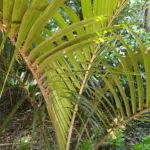 Nikau (Rhopalostylis sapida) care guideRhopalostylis sapida
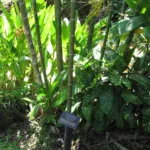 He Macarthur palm (Ptychosperma macarthurii) care guidePtychosperma macarthurii
 Chaguaramo (Roystonea oleracea) care guideRoystonea oleracea
 Ivory Cane Palm (Pinanga coronata) care guidePinanga coronata
 East Indian wine palm (Phoenix rupicola) care guidePhoenix rupicola
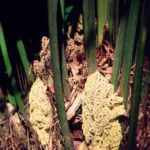 Needle palm (Rhapidophyllum hystrix) care guideRhapidophyllum hystrix