
 Source:
 Dahlia Cactus (Dahlia ‘Cactus’) short overview
Dahlia 'Cactus' is the editor-supplied name for Echinocereus poselgeri, a distinctive tuberous hedgehog cactus native to southern Texas and northeastern Mexico. Its slender, pencil-like stems spread or trail from a dahlia-shaped underground storage organ, while pink to magenta funnel-shaped flowers appear near the shoot tips. Grow it in intense light, gritty fast-draining soil, and a frost-free container where winter moisture can be tightly controlled.
Taxonomic classification
Dahlia Cactus (Dahlia ‘Cactus’) care guide
Light and placement
Provide the brightest available light, ideally several hours of direct sun from a south- or west-facing exposure with good ventilation. Acclimate gradually when moving from shade to full sun to prevent scorch. Too little light causes weak, stretched stems and poor flowering; excessive heat behind glass without airflow can cause sunburn or tissue stress.
Watering and humidity
Water deeply only after the substrate has dried completely, then let excess drain away. During warm active growth, the interval may be roughly every 2–4 weeks depending on pot size, heat, and airflow. Reduce watering sharply in fall and keep the plant nearly dry during cool dormancy. Never leave the container standing in water.
Soil and growing medium
Use a predominantly mineral cactus substrate containing coarse grit, pumice, perlite, or crushed lava with only a small proportion of organic material. The root system is vulnerable to stagnant moisture, especially during cool weather. A near-neutral to slightly alkaline reaction is suitable; avoid heavy, peat-dominant mixes that remain wet.
Feeding
Feed only during active spring and summer growth. Use a balanced or low-nitrogen cactus fertilizer diluted to about one-quarter to one-half the label strength, applied to already moist soil. Stop feeding in late summer or before a cool, dry rest. Do not fertilize a stressed, recently repotted, dormant, or root-damaged plant.
Growth and habit
The plant forms a subterranean tuberous storage organ and produces slender, sparsely branched stems that may begin upright before spreading or clambering. Support, a stable container, and deliberate placement away from walkways help accommodate its mature habit. Growth is slow compared with many soft-stemmed succulents.
Planting and repotting
In the United States, plant outdoors only after frost danger has passed and nighttime temperatures are reliably mild. Set the root system just below the substrate surface, keeping the stem base dry and never burying the narrow shoots deeply. Establish gradually with light watering, then allow the mix to dry thoroughly.
Repot only when the container is crowded or the mix has degraded, preferably in spring at the start of active growth. Handle the tuber and stems gently, remove damaged roots, and allow any wounds to dry before watering. A heavy, stable pot helps support the spreading stems.
Propagation and pruning
Propagation
Propagation is chiefly from seed; stem cuttings may root when taken during warm active growth and allowed to callus before planting. Seed-grown plants can be slow and may require many years to reach flowering size. Use sterile, sharply draining media and avoid frequent moisture during establishment.
Pruning
Pruning is rarely needed. Remove dead, damaged, or diseased stems with sterile tools during warm active growth, allowing cuts to dry fully. Avoid shortening healthy stems unless necessary for space, because the plant’s natural spreading form is an important identification feature.
Overwintering
Keep completely protected from frost and prolonged cold wet conditions. In a cool, bright indoor location or greenhouse, maintain the plant nearly dry through winter. Resume watering gradually in spring when temperatures rise and new growth begins. Do not move abruptly from dim winter conditions into intense sun.
Uses
Primarily grown as a collector’s cactus for its unusual tuberous root, slender stems, and seasonal flowers. It suits warm containers, xeric displays, and protected rock gardens. It is not a documented culinary or medicinal plant, and its spines make it unsuitable for high-traffic locations.
Appearance
The plant has narrow, cylindrical, blue-green stems with low ribs and closely appressed pale marginal spines, plus a darker central spine on many areoles. Stems are notably slender for an Echinocereus and arise from a dahlia-like tuberous root. The overall appearance may shift from upright to sprawling as shoots lengthen.
Flowering
This true flowering cactus produces funnel-shaped flowers near the ends of slender shoots. Flowers are reported in pink to magenta tones and generally occur during the warmer spring or early-summer period. Flowering is most likely when the plant receives strong light, a dry winter rest, and active growth in warm weather.
Pollination and visitors
The open, showy flowers of Echinocereus are visited by insects; bees and beetles are reasonable documented or characteristic visitor groups for the genus. A specific pollinator species for E. poselgeri was not confirmed, so no Latin species name is supplied.
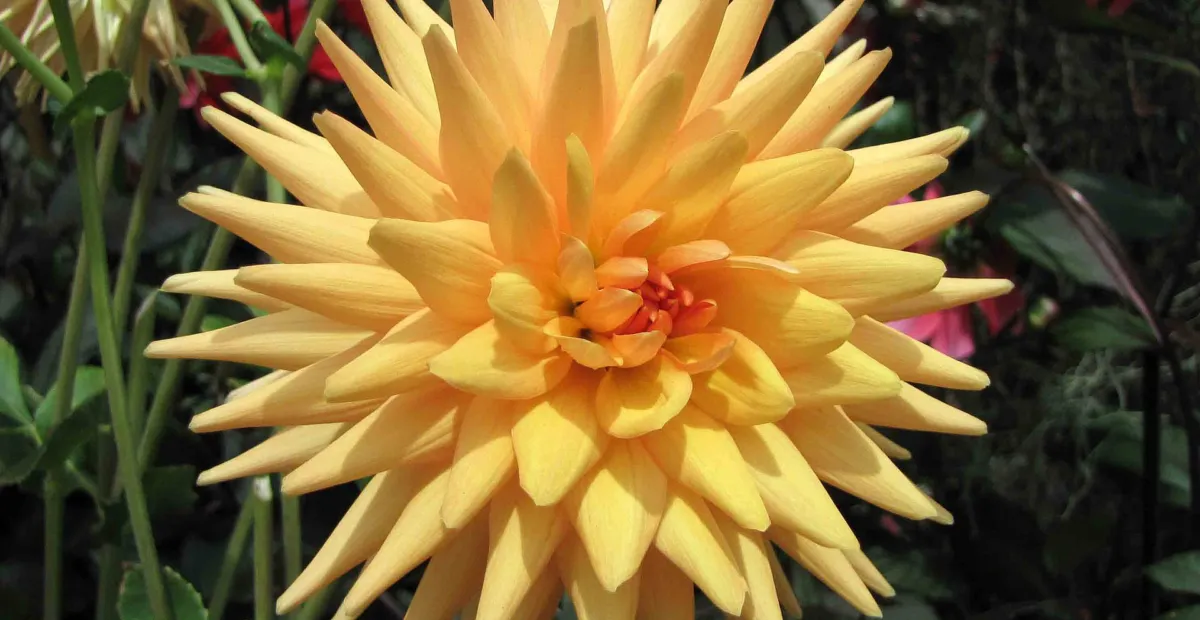
Dahlia 'Cactus' photos
Click any photo for a larger view. Source, author and license are shown separately.
Diseases and pests
Diseases
The principal risk is root or stem rot caused by wet soil, poor drainage, or watering during cool dormancy. Use a porous mix, inspect the base regularly for softening or discoloration, and remove affected tissue promptly with sterile tools. Good air movement helps reduce fungal problems.
Pests
Watch for mealybugs, scale, spider mites, and root-feeding pests in containers. Inspect stem joints and the root collar regularly, isolate affected plants, remove visible insects, and use a labeled treatment only when necessary. Avoid chronic overwatering, which often causes more serious damage than insect feeding.
Related diseases and pests
Only Plant Doctor profiles whose host data indicate this plant may be affected are shown here.
Toxicity and pollen
No reliable authoritative evidence was found identifying characteristic poisonous compounds in this exact taxon. The main practical hazards are mechanical injury from spines and gastrointestinal upset if plant material is chewed. Prevent ingestion and handle with gloves; seek medical or veterinary advice after significant exposure.
- Typical season
- Spring to early summer during flowering
- Pollination / pollen
- Insect-carried pollen
As an insect-pollinated cactus, its pollen is not typically released in large airborne clouds. Exposure can still occur during flowering or close handling, and sensitive individuals should avoid rubbing flowers or working with them in enclosed spaces.
Native habitat
It occurs in dry scrub, valleys, and hills of southern Texas and northeastern Mexico, commonly in warm environments with sandy or mineral soils. The plant is adapted to seasonal drought, intense sun, rapid drainage, and a distinct cooler dry period rather than persistently humid or waterlogged conditions.
Interesting fact
The underground storage organ resembles a dahlia tuber, which inspired the common name. Older literature placed the plant in Wilcoxia, but modern taxonomic treatments place it in Echinocereus. The stems can become sprawling or clambering rather than remaining upright.
Frequently asked questions (FAQ)
The most relevant questions about this plant, with short and direct answers.
🌱Quick care
What is Dahlia 'Cactus'?⌄
Dahlia 'Cactus' is the supplied horticultural name for a spiny hedgehog cactus in the genus Echinocereus. It is not a true dahlia, despite the name.
How much light does Dahlia 'Cactus' need?⌄
Dahlia 'Cactus' needs full sun for compact growth and reliable flowering. Acclimate it gradually when moving it from shade or indoor conditions to strong direct sunlight.
How often should I water Dahlia 'Cactus'?⌄
Water Dahlia 'Cactus' only after its soil has dried completely, then soak the mix and let excess water drain away. Water much less often during cool, dark winter conditions.
Is Dahlia 'Cactus' drought tolerant?⌄
Yes, Dahlia 'Cactus' is drought tolerant once established because it stores water in its tissues and underground structures. Drought tolerance does not mean it can survive persistently wet soil.
What soil is best for Dahlia 'Cactus'?⌄
Use a gritty, mineral-rich cactus mix that drains sharply and contains little moisture-retaining organic material. The container must also have an unobstructed drainage hole.
🌤️Environment and placement
Can Dahlia 'Cactus' grow indoors?⌄
Dahlia 'Cactus' can grow indoors only in a very bright, sunny location, preferably near a south- or west-facing window or under a grow light. Poor indoor light commonly causes weak, elongated growth.
Can Dahlia 'Cactus' grow outdoors in the United States?⌄
Dahlia 'Cactus' can grow outdoors year-round in warm, frost-free parts of the southern United States. In colder areas, grow it in a container that can be moved under cover before freezing weather.
What USDA hardiness zone is suitable for Dahlia 'Cactus'?⌄
Dahlia 'Cactus' is best treated as a frost-tender cactus and is most dependable in warm USDA-style climates where freezing is uncommon. Zone boundaries vary by exposure, so protect the plant whenever frost or a hard freeze is forecast.
How should I protect Dahlia 'Cactus' from frost?⌄
Move container-grown Dahlia 'Cactus' to a dry, protected location before temperatures approach freezing. Do not leave wet soil around the roots during cold weather, because cold and moisture together greatly increase rot risk.
What temperature is too cold for Dahlia 'Cactus'?⌄
Freezing temperatures are unsafe for Dahlia 'Cactus', so protect it before temperatures reach 32°F. Brief cool conditions may be tolerated by a dry plant, but the exact lower limit depends on acclimation and local conditions.
💧Care and problems
Why is my Dahlia 'Cactus' turning soft or black?⌄
Soft, black, or collapsing tissue usually indicates rot caused by excess moisture, poor drainage, cold wet conditions, or damage. Isolate the plant, remove healthy tissue from the affected area if possible, and correct the watering and drainage problem.
Why is Dahlia 'Cactus' becoming thin and stretched?⌄
Thin, elongated stems usually mean Dahlia 'Cactus' is not receiving enough light. Move it gradually into brighter light and avoid increasing watering to compensate for weak growth.
Does Dahlia 'Cactus' need fertilizer?⌄
Dahlia 'Cactus' needs little fertilizer, but a diluted, low-nitrogen cactus fertilizer can be applied during active growth. Do not fertilize stressed, dormant, recently repotted, or cold plants.
How do I know when Dahlia 'Cactus' needs water?⌄
Check that the entire potting mix is dry and that the stems remain firm before watering Dahlia 'Cactus'. Shriveling can indicate thirst, but watering should still be delayed if the soil is cool or damp.
🪴Planting and repotting
Should Dahlia 'Cactus' be planted in the ground or a container?⌄
A container is the safer choice in most of the United States because Dahlia 'Cactus' is frost tender and requires exceptionally sharp drainage. In warm, dry regions, it can be planted in a raised mineral bed protected from standing water.
What type of pot is best for Dahlia 'Cactus'?⌄
Choose a pot with a drainage hole that is only slightly larger than the root system, using terracotta when practical for faster drying. Oversized pots retain moisture too long and increase the risk of root rot.
When should I repot Dahlia 'Cactus'?⌄
Repot Dahlia 'Cactus' during active growth when the existing mix has broken down, drainage has declined, or the roots have filled the container. Allow damaged roots to dry before watering after repotting.
How deep should I plant Dahlia 'Cactus'?⌄
Plant Dahlia 'Cactus' at the same depth it was previously growing, keeping the stem base and crown above the soil line. Burying the lower stem or crown can trap moisture and promote rot.
✂️Propagation and pruning
How can I propagate Dahlia 'Cactus'?⌄
Dahlia 'Cactus' can be propagated from seeds and, when available, carefully rooted stem cuttings. Let cut surfaces callus in a dry, shaded place before placing cuttings in barely moist, sharply draining mix.
Can Dahlia 'Cactus' be grown from cuttings?⌄
Yes, healthy stem cuttings may root, although success depends on the cutting, season, warmth, and dryness of the propagation mix. Avoid watering heavily until roots have formed.
Should I prune Dahlia 'Cactus'?⌄
Routine pruning is usually unnecessary for Dahlia 'Cactus'; remove only dead, damaged, diseased, or unwanted stems with clean tools. Wear thick gloves and use tools that keep your hands away from the spines.
⚠️Toxicity and safety
Is Dahlia 'Cactus' toxic to pets?⌄
The toxicity of Dahlia 'Cactus' is uncertain, so do not allow pets or children to chew it. Its spines are a clear mechanical hazard, and any ingestion or puncture injury should be discussed with a veterinarian or medical professional.
Does Dahlia 'Cactus' have spines?⌄
Yes, Dahlia 'Cactus' has spines that can puncture skin and may be difficult to remove. Handle it with sturdy gloves, long tools, and care around children and pets.
How should I handle Dahlia 'Cactus' safely?⌄
Handle Dahlia 'Cactus' with thick gloves, folded cardboard, or cactus tongs rather than bare hands. Keep the plant stable in its pot and avoid brushing against the stems during watering or repotting.
🌸Flowering and special interest
Does Dahlia 'Cactus' flower?⌄
Yes, mature Dahlia 'Cactus' can produce showy flowers when it receives strong light, excellent drainage, and an appropriate dry winter rest. Young, stressed, or insufficiently lit plants may not bloom.
What color are Dahlia 'Cactus' flowers?⌄
Dahlia 'Cactus' is reported to produce flowers in pink, rose, purple, or related magenta tones, although color can vary among plants and growing conditions. Confirm a particular plant’s flower color with the grower when purchasing.
Why is my Dahlia 'Cactus' not flowering?⌄
The most common reasons are insufficient light, an immature plant, excessive nitrogen, or a disrupted seasonal rest period. Give it stronger light, avoid frequent watering, and let the plant experience a cooler, drier dormant season without freezing.
When does Dahlia 'Cactus' usually bloom?⌄
Dahlia 'Cactus' commonly blooms in spring or in the transition from spring into early summer when grown under suitable conditions. Timing varies with climate, light, plant maturity, and winter dormancy.
Similar plants
 Yellow lantern chili (Capsicum chinense) care guideCapsicum chinense
 Capsicum baccatum care guideCapsicum baccatum
 Serrano (Capsicum annuum ‘Serrano’)Capsicum annuum 'Serrano'
 Purple Beauty (Capsicum annuum ‘Purple Beauty’)Capsicum annuum 'Purple Beauty'
 Numex Twilight (Capsicum annuum ‘Numex Twilight’)Capsicum annuum 'Numex Twilight'
 Explosive Ember Chili Pepper (Capsicum annuum ‘Explosive Ember’)Capsicum annuum 'Explosive Ember'