
 AI-generated illustration
Bee Orchid (Ophrys apifera) short overview
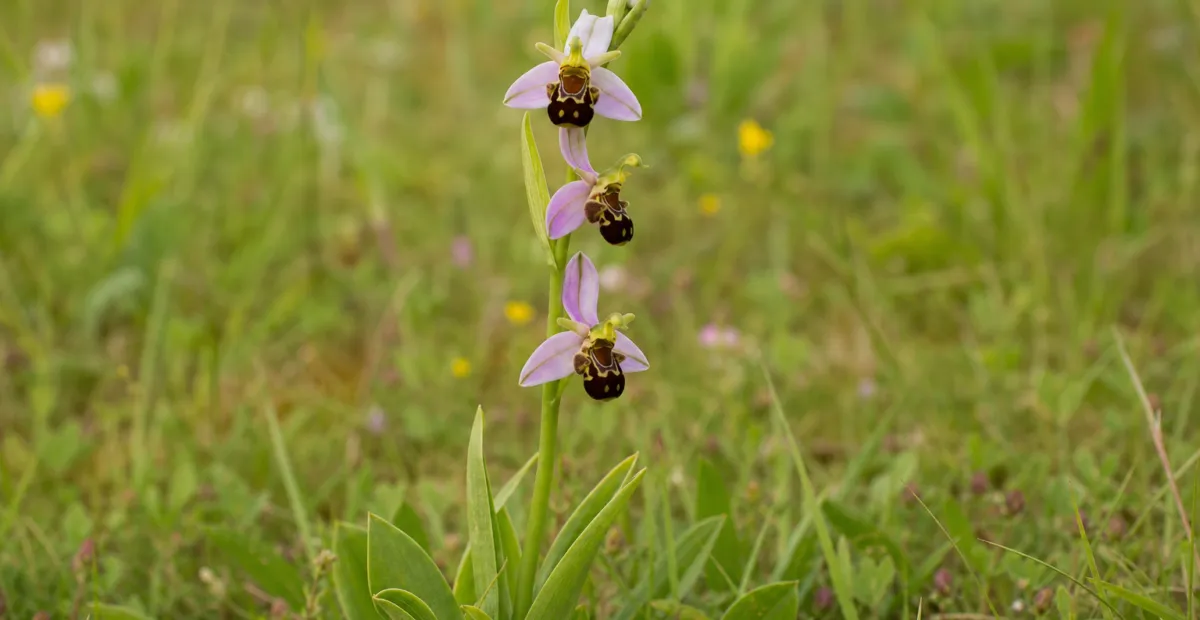
Bee Orchid, Ophrys apifera, is a terrestrial orchid known for flowers whose velvety brown lip resembles a female bee. It forms a winter-green rosette, then sends up slender spikes in late spring or summer. The species is native across much of Europe, North Africa, and western Asia, where it grows in sunny to lightly shaded, well-drained alkaline or neutral soils. Its flowers are unusual because self-pollination commonly secures seed production.
Taxonomic classification
Bee Orchid (Ophrys apifera) care guide
Light and placement
Grow in full sun in cooler climates or partial shade where summers are hot. An east- or west-facing position, open meadow, sunny bank, or lightly shaded rock garden suits it well. Too little light produces weak stems and reduced flowering; excessive reflected heat combined with dry, exposed soil can scorch foliage and shorten the active season.
Watering and humidity
Water during active growth when the upper soil begins to dry, soaking thoroughly but allowing excess water to drain. Keep the medium moderately moist through rosette and flowering growth, then reduce watering after the foliage naturally dies back. During summer dormancy, protect tubers from prolonged saturation while avoiding extreme desiccation in containers.
Soil and growing medium
Use a gritty, sharply draining medium based on loam, coarse sand, and mineral material such as limestone grit. Neutral to alkaline conditions are preferred. Avoid heavy, waterlogged clay and rich, continuously wet compost. A modest amount of humus can support establishment, but the root zone should remain open and aerated.
Feeding
Feed sparingly during active spring growth with a weak, balanced fertilizer once or twice, or use a light annual top-dressing of mature compost. Do not apply strong fertilizer to dormant tubers, and avoid high-nitrogen feeding, which can encourage soft growth without improving flowering.
Growth and habit
This geophytic orchid grows from replacement tubers and follows a seasonal cycle: a rosette develops during the cool season, flowering occurs after the stem elongates, and the aerial parts disappear during summer dormancy. It can be erratic from year to year, so declining foliage after flowering is normal rather than a sign of immediate failure.
Planting and repotting
Plant dormant tubers in autumn in a gritty, well-drained bed or deep container. Set them at least 2 inches deep with the growing point oriented upward, then water once to settle the medium. Choose a site that will not remain waterlogged in winter or spring. Do not collect plants from the wild; establish only legally propagated material.
Repot only during dormancy or immediately before active growth, using a deep container and a fresh, gritty, alkaline-leaning medium. Handle tubers and roots carefully, retain as much healthy growing medium as possible, and avoid frequent disturbance. Choose a pot with excellent drainage and do not oversize it.
Propagation and pruning
Propagation
Seed propagation is difficult because orchid seeds are dust-like and require compatible mycorrhizal fungi for establishment. In cultivation, separation of offsets or daughter tubers in autumn is the more practical method, but success is still specialist-level. Use only legally propagated stock.
Pruning
Deadhead individual flowers or the spike after flowering if seed production is not desired. Leave the basal foliage in place until it yellows and dies back naturally, because premature cutting can reduce energy storage in the replacement tuber.
Overwintering
Established plants can remain outdoors in climates within their tolerance if drainage is excellent. In colder regions, mulch lightly with a porous material rather than retaining wetness around the crown. Containers are more vulnerable to freeze-thaw damage and should be sheltered in an unheated, protected location while dormant.
Uses
Best used as a specialist ornamental in rock gardens, informal beds, meadow-style plantings, chalky banks, and carefully managed containers. It has strong educational value because of its bee mimicry and unusual reproductive biology. It is not a culinary plant, and no medicinal use should be assumed.
Appearance
The plant produces oblong to lance-shaped basal leaves in a low rosette and a slender upright flowering stem with small upper leaves. Each flower has pale green or pinkish outer segments and a conspicuous velvety brown lip marked with yellow and blue-gray patterning, creating the characteristic bee-like appearance.
Flowering
The inflorescence may carry several small flowers, commonly up to about 11. The lip is shaped and colored to resemble a female bee, while floral chemistry can imitate insect signals. Across much of the range, the pollinia eventually contact the stigma without a visiting insect, allowing reliable seed set; cross-pollination by Eucera males is documented in some Mediterranean populations.
Pollination and visitors
The flowers can attract male Eucera and related long-horned bees through visual and chemical sexual deception, leading to pseudocopulatory visits and occasional pollen transfer. Nevertheless, the species commonly self-pollinates, so successful reproduction does not depend entirely on animal visitors.
Ophrys apifera photos
Click any photo for a larger view. Source, author and license are shown separately.
Diseases and pests
Diseases
The species is generally reported as disease-free in suitable conditions. Prevent problems by using clean containers, porous soil, good air movement, and careful watering. Persistent wetness can cause tuber or root loss; remove affected tissue and replace contaminated medium rather than repeatedly treating a declining plant.
Pests
Slugs and snails may graze young leaves and flower stems, especially in damp weather. Inspect plants at dusk, reduce hiding places, and use physical barriers or other proportionate controls appropriate for orchid beds. Avoid broad-spectrum insecticides during flowering because they may harm visiting insects.
Related diseases and pests
Only Plant Doctor profiles whose host data indicate this plant may be affected are shown here.
Toxicity and pollen
Reliable species-specific human and pet toxicity information was not found in the reviewed authoritative sources. Do not eat the plant, tubers, or growing medium, and prevent children and pets from chewing it. Wash hands after handling and seek professional medical or veterinary advice if ingestion causes symptoms.
- Typical season
- During flowering, generally spring to early summer
- Pollination / pollen
- Pollen is packaged in adhesive pollinia rather than released as loose airborne grains.
Ophrys apifera packages pollen in pollinia, so it does not release large clouds of loose airborne pollen like many wind-pollinated plants. Direct allergy evidence for this species is limited, however, and insect-pollinated orchids should not automatically be described as allergy-free. Sensitive people should avoid handling flowers if symptoms occur.
Native habitat
It occurs in open, relatively short vegetation on dry to moderately moist calcareous or neutral soils, including grasslands, banks, woodland edges, and disturbed open sites. Seasonal moisture supports winter-green growth, while summer dryness is tolerated through tuber dormancy. Its distribution is centered on Europe and the Mediterranean region, extending into North Africa and western Asia.
Interesting fact
The flower’s bee resemblance is produced by the patterned, hairy labellum rather than by true nectar reward. Ophrys apifera is unusual within its genus because autonomous self-pollination is highly effective across much of its range. The underground tuber replaces itself during the annual growth cycle. Floral variants are comparatively frequent in this self-pollinating species.
Frequently asked questions (FAQ)
The most relevant questions about this plant, with short and direct answers.
🌱Quick care
What is Ophrys apifera?⌄
Ophrys apifera, commonly called Bee Orchid, is a cold-hardy terrestrial orchid with flowers that mimic a bee or wasp. It grows from underground tubers and produces a basal rosette of leaves before flowering.
Is Bee Orchid an indoor or outdoor plant?⌄
Bee Orchid is primarily an outdoor plant because it needs seasonal temperature changes, winter growth, and a summer dormant period. It can be grown in a container, but it is not handled like a tropical house orchid.
How much sunlight does Ophrys apifera need?⌄
Ophrys apifera grows best in full sun to partial shade. In hot summer climates, provide afternoon protection or bright filtered light, especially when plants are grown in containers.
How often should I water a Bee Orchid?⌄
Water Bee Orchid moderately while its leaves are actively growing, keeping the growing medium lightly moist but never saturated. Reduce watering sharply after the foliage dies back, and keep the dormant tuber comparatively dry.
🌤️Environment and placement
What USDA hardiness zone is Ophrys apifera?⌄
Ophrys apifera is a cold-hardy terrestrial orchid, but its exact USDA hardiness range depends on the clone, drainage, and winter moisture. Protect tubers from prolonged waterlogging and verify local performance with a specialist nursery for your zone.
What soil is best for Bee Orchid?⌄
Use sharply drained, gritty soil based on loam, sand, or chalk, preferably neutral to alkaline and not heavily enriched. A mineral, well-aerated mix is safer than ordinary moisture-retentive potting soil.
Can Ophrys apifera grow in clay soil?⌄
Ophrys apifera generally performs poorly in heavy, compacted clay unless drainage is substantially improved. Incorporate coarse mineral material and plant on a raised slope or mound rather than leaving the tuber in winter-wet ground.
Can Bee Orchid grow in a lawn or meadow?⌄
Bee Orchid can grow in short, lightly managed grassland when the soil is well drained and preferably calcareous. Delay mowing until flowering and seed capsules have finished developing, then keep the site relatively open and not heavily fertilized.
Does Ophrys apifera need alkaline soil?⌄
Ophrys apifera commonly favors neutral to alkaline, chalky or limestone-influenced soil, although it is not restricted to one exact soil type. Avoid strongly acidic, waterlogged, or heavily organic conditions unless a specialist growing mix is used.
💧Care and problems
Why is my Bee Orchid not flowering?⌄
A Bee Orchid may remain vegetative because its tuber or leaf rosette is too small, conditions are too wet, drought interrupted growth, or the plant is dormant. Flowering is strongly influenced by tuber size, leaf development, and seasonal weather.
Why are Ophrys apifera leaves turning yellow?⌄
Yellowing leaves are normal as Ophrys apifera enters summer dormancy after flowering. If yellowing occurs during active growth, inspect the roots and tuber for excess moisture, poor drainage, or rot.
How do I protect Bee Orchid tubers from winter rot?⌄
Prevent winter rot by planting Bee Orchid in gritty, fast-draining soil and avoiding frequent irrigation during cold weather. Container plants should never sit in a saucer of water, and raised planting is useful in regions with wet winters.
What pests affect Ophrys apifera?⌄
Slugs and snails are the main commonly reported pests of Ophrys apifera, particularly when its emerging leaves are tender. Check plants during wet weather and use non-toxic barriers or hand removal around vulnerable rosettes.
Should I fertilize Bee Orchid?⌄
Bee Orchid usually needs little or no fertilizer when planted in suitable mineral soil. Heavy feeding can encourage weak growth or disturb the lean conditions associated with terrestrial orchid habitats.
🪴Planting and repotting
When should I plant Ophrys apifera tubers?⌄
Plant dormant Ophrys apifera tubers in fall, when temperatures are cooling and the plant is beginning its underground growth cycle. Set them about 2 inches deep in well-drained soil, handling the tubers carefully.
Can Bee Orchid be grown in a pot?⌄
Bee Orchid can be grown in a pot if the container has excellent drainage and a gritty, mineral-based mix. Choose a pot deep enough for the tuber, avoid frequent repotting, and keep watering aligned with its active-growth and dormant seasons.
✂️Propagation and pruning
How do you propagate Ophrys apifera?⌄
Ophrys apifera is most reliably propagated from specialist-grown tubers or laboratory-raised seed. Seed germination is technically difficult because the tiny seeds require specialized media and often fungal or laboratory assistance.
Can I grow Bee Orchid from seed?⌄
Bee Orchid can be grown from seed, but home germination is unreliable and seedlings may take several years to flower. Mature seed often germinates poorly, while controlled laboratory methods can produce better results.
Can I divide a Bee Orchid plant?⌄
Routine division is not a dependable way to multiply Ophrys apifera because its annual tuber replacement produces few useful offsets. If offsets are present, separation is best attempted during fall dormancy by an experienced grower.
Should I deadhead Ophrys apifera?⌄
Deadhead Bee Orchid after flowering only if you do not want seed capsules to mature. Otherwise, leave the flower spike in place until the capsules develop, then allow the plant to complete its natural seasonal cycle.
⚠️Toxicity and safety
Is Ophrys apifera toxic to people or pets?⌄
The toxicity of Ophrys apifera has not been firmly established. Treat the plant and its tubers as ornamental only, prevent children and pets from chewing them, and contact a poison-control professional if ingestion occurs.
🌸Flowering and special interest
When does Bee Orchid bloom?⌄
Bee Orchid commonly blooms in spring to early summer, although timing varies with climate and latitude. Flower spikes may reach about 12 inches tall and carry several small, bee-mimicking flowers.
Why does the flower of Ophrys apifera look like a bee?⌄
The flower’s lip visually mimics a female bee or wasp and helps attract pollinators through deception. Ophrys apifera is unusual because many flowers can self-pollinate, allowing seed production even when the expected pollinator is absent.
How long do Bee Orchid flowers last?⌄
Individual Bee Orchid flowers can remain open for several weeks when they are not pollinated, although the total display depends on weather and plant health. Heat, drought, and premature senescence can shorten the flowering period.
What should I do with Bee Orchid after it finishes flowering?⌄
After flowering, allow the foliage to yellow and die back naturally while gradually reducing water. Keep the dormant tuber mostly dry during summer, then resume modest watering when new leaves appear in fall.
Similar plants
 Azure Monkshood (Aconitum carmichaelii) care guideAconitum carmichaelii
 Monkshood (Aconitum ‘Stainless Steel’)Aconitum 'Stainless Steel'
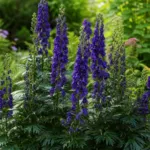 Monkshood (Aconitum ‘Bressingham Spire’)Aconitum 'Bressingham Spire'
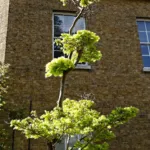 Golden full moon maple (Acer shirasawanum ‘Aureum’)Acer shirasawanum 'Aureum'
 Globosum (Acer platanoides ‘Globosum’)Acer platanoides 'Globosum'
 Striped maple (Acer pensylvanicum) care guideAcer pensylvanicum