
 Source:
 Fish mi (Houttuynia cordata) short overview
Fish mi, Houttuynia cordata, is a spreading rhizomatous perennial grown for its heart-shaped, strongly aromatic leaves and curious white-bracted flower spikes. It prefers evenly moist soil and performs best in partial shade or gentle morning sun. The plant is used as a culinary herb in parts of Asia, while variegated forms provide colorful groundcover. Because vigorous rhizomes can escape cultivation, containers or confined planting areas are often the most practical choice in U.S. gardens.
Taxonomic classification
Fish mi (Houttuynia cordata) care guide
Light and placement
Give partial shade or bright filtered light, ideally with morning sun and protection from harsh afternoon heat. In cooler, moist climates it can tolerate more sun; in hot regions, full afternoon exposure may scorch leaves or reduce vigor. Too little light produces looser, greener growth, while excessive drying causes wilt and leaf edge damage.
Watering and humidity
Keep the root zone consistently moist, watering deeply whenever the upper surface begins to dry. Increase frequency during hot weather and after planting; reduce only when growth slows in cool weather. Do not let container plants repeatedly dry out. High humidity is not essential outdoors if the soil remains moist, but good air movement helps limit foliar problems.
Soil and growing medium
Use fertile, humus-rich soil that stays evenly moist but is not stagnant. Loam amended with compost is suitable. The plant tolerates wet ground and shallow water better than most garden perennials, but container media should still drain freely. A slightly acidic to slightly alkaline reaction is acceptable; neutral to mildly acidic soil is a practical target.
Feeding
Apply a thin layer of compost in spring or use a balanced, slow-release fertilizer at label strength as growth begins. Avoid heavy nitrogen feeding, which can produce soft, sprawling growth and more maintenance. Do not fertilize drought-stressed, newly divided, or dormant plants until active growth resumes.
Growth and habit
This perennial spreads through fleshy, branching rhizomes and can form a dense patch quickly in moist soil. New shoots emerge from both planted and overlooked rhizome fragments. Containment, edging, and periodic division are more important than encouraging maximum vigor. Remove unwanted growth before fragments are redistributed by digging or cultivation.
Planting and repotting
Plant in spring after severe freezes have passed, setting rhizomes about 1–2 inches deep with buds facing upward. Allow roughly 18–24 inches between plants when spread is acceptable, or use a bottomless barrier or container to restrict runners. Water thoroughly during establishment and keep the planting area clearly defined.
Repot container plants in spring when rhizomes have filled the pot. Divide congested rhizomes, refresh the medium, and use a wide, sturdy container with drainage. Check for escaped rhizomes around drainage holes and beneath pots.
Propagation and pruning
Propagation
Divide rhizomes in spring or early fall, ensuring each section has viable buds and roots. Stem cuttings can root readily in warm, moist conditions. Small rhizome pieces may resprout, so discard unwanted fragments carefully and do not add them to unmanaged compost.
Pruning
Cut back spent flowering stems and damaged foliage as needed. In late winter or early spring, remove dead top growth before new shoots emerge. Thin or divide expanding patches rather than repeatedly shearing the surface, because underground rhizomes are the main source of spread.
Overwintering
In Zones 5–6, mulch the planting after the ground cools and grow in a sheltered site or container if winter survival is uncertain. Containers are more vulnerable to root freezing than garden soil; move them to an unheated protected space or insulate the pot. Remove winter-damaged stems in spring.
Uses
Use as a culinary leafy herb where its distinctive flavor is desired, or grow it as aromatic groundcover in contained moist beds and large containers. Variegated cultivars are ornamental foliage plants. Because rhizomes spread vigorously, avoid unconfined planting near sensitive habitats or property lines. Culinary use should rely on correctly identified, properly sourced material.
Appearance
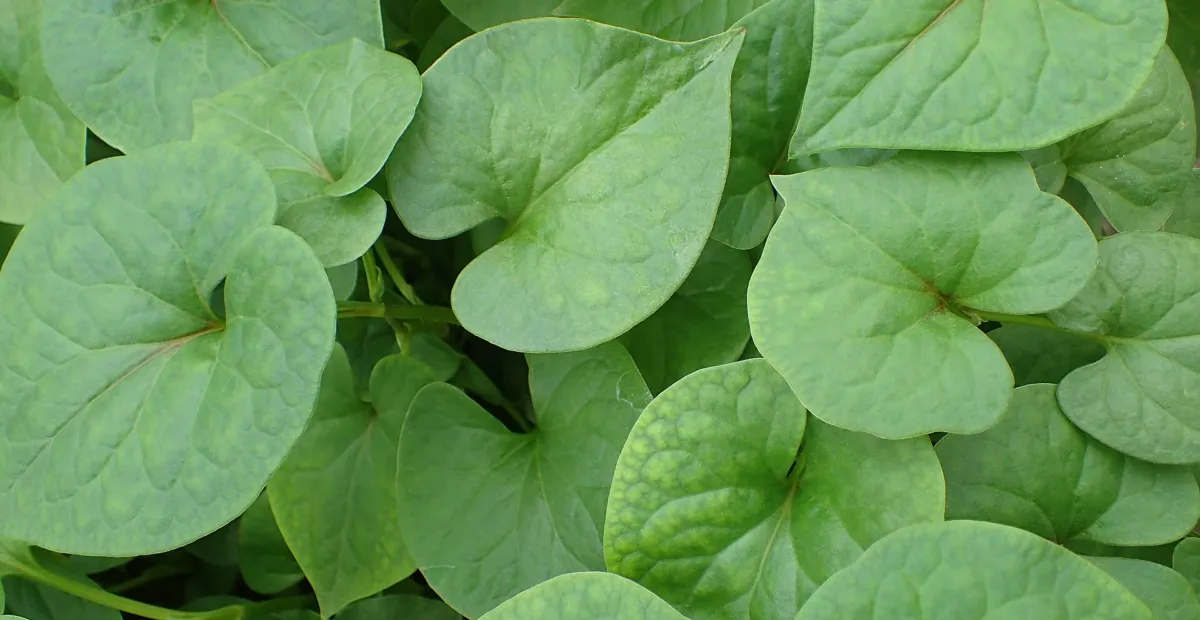
Leaves are alternate, broadly heart-shaped, and often held on reddish or green petioles. Stems are soft, fleshy, and capable of rooting at nodes. The foliage releases a strong fishy or herbal odor when bruised. Upright flower spikes rise above the leaves and are framed by four white bracts; ornamental cultivars may show multicolored variegation.
Flowering
Small flowers are crowded on a short upright spike and surrounded by four conspicuous white bracts, creating the appearance of a simple white flower. Bloom generally occurs from late spring into summer in much of the United States. Flowering may be reduced in deep shade or after severe winter damage.
Pollination and visitors
The compact flower spikes may receive visits from small insects, but strong, species-specific pollinator documentation is limited. Do not present this plant as a major pollinator resource. The primary ecological value in cultivation is its dense vegetative cover rather than demonstrated pollinator performance.
Houttuynia cordata photos
Click any photo for a larger view. Source, author and license are shown separately.
Diseases and pests
Diseases
Usually trouble-free, but persistently wet, poorly aerated conditions can encourage root or rhizome rot. Improve drainage in containers, avoid standing water around crowns unless the plant is intentionally grown in shallow water, and remove damaged tissue. Sanitize tools when dividing.
Pests
Slugs and snails may chew young foliage in cool, wet conditions. Remove hiding places, water at the soil surface rather than over foliage, and use barriers or hand-picking first. Dense, stressed growth can also harbor sap-feeding insects, though serious infestations are not characteristic.
Toxicity and pollen
The species is widely used as a culinary herb in parts of Asia, but reliable U.S.-specific toxicology information for people and pets is limited. Eating an unidentified plant is unsafe, and concentrated extracts may pose different risks from normal food use. Handle with care if the strong odor or sap causes irritation, and seek professional advice after significant ingestion.
- Typical season
- Late spring through summer during flowering
- Pollination / pollen
- Small-flowered pollen released around compact flower spikes
This is a flowering angiosperm, so it produces pollen, but the flowers are small and no dependable U.S. evidence establishes Houttuynia cordata as a prominent airborne-allergy source. Sensitive people should still avoid handling flowering plants if symptoms are personally triggered. Keep pollen concerns separate from the plant’s culinary or toxicological profile.
Native habitat
The species is native from the Himalaya and eastern Asia through Indochina and into parts of Southeast Asia. It commonly occupies moist, shaded or partly shaded habitats, including stream margins, wet ground, and damp woodland edges. Its rhizomatous habit suits periodically saturated soils, while garden invasiveness is greatest where moisture and growing-season warmth are plentiful.
Interesting fact
The species name cordata refers to its heart-shaped leaves. Crushed foliage has a strong odor often compared with fish or herbs. White structures that look like petals are actually bracts surrounding a dense flower spike. Rhizomes allow rapid clonal spread and make even small fragments capable of regrowth.
Frequently asked questions (FAQ)
The most relevant questions about this plant, with short and direct answers.
🌱Quick care
What is fish mi (Houttuynia cordata)?⌄
Fish mi is a spreading perennial herb in the Saururaceae family, grown for its heart-shaped leaves, unusual aroma, and edible culinary use. It is also called Houttuynia cordata in botanical references.
How much light does Houttuynia cordata need?⌄
Houttuynia cordata grows best in partial shade or gentle morning sun. Protect it from intense afternoon sun, especially where summers are hot and dry.
How often should I water fish mi?⌄
Keep fish mi evenly moist to wet, because it naturally favors damp soils. Do not let container-grown plants dry out completely.
Is Houttuynia cordata perennial?⌄
Yes, Houttuynia cordata is a cold-hardy perennial that can die back in winter and return from underground rhizomes. In colder areas, mulch the planting and protect exposed containers from severe freezes.
🌤️Environment and placement
Where should I plant fish mi in the garden?⌄
Plant fish mi in a moist, fertile, organically rich location with partial shade, such as near a rain garden or water feature. Use a contained area if you want to limit its spread.
Can Houttuynia cordata grow in full sun?⌄
Houttuynia cordata can tolerate gentle sun when the soil stays consistently wet, but partial shade is safer. Full afternoon sun may scorch the leaves or increase watering problems.
Can fish mi grow in wet soil?⌄
Yes, fish mi tolerates wet soil and performs well where many plants would struggle with constant moisture. Good organic matter helps maintain moisture while supporting vigorous growth.
What USDA hardiness zones can grow Houttuynia cordata?⌄
Houttuynia cordata is generally hardy in moderately cold climates when its rhizomes are protected, but exact performance varies by cultivar and site. In colder USDA zones, grow it in a container or add a thick winter mulch.
💧Care and problems
Why are the leaves of my fish mi turning brown?⌄
Brown leaves usually indicate drying soil, excessive hot sun, wind exposure, or root stress. Move the plant toward partial shade and keep the soil evenly moist while checking that the roots are not sitting in stagnant water.
Why is Houttuynia cordata wilting even though the soil is wet?⌄
Wilting in wet soil can signal root damage, poor drainage, or heat stress rather than a lack of water. Check the roots and container drainage, and avoid letting the plant remain in foul-smelling, stagnant conditions.
Does fish mi have a strong smell?⌄
Yes, fish mi commonly releases a strong fishy or medicinal odor when its leaves are crushed or bruised. The intensity varies with the plant, cultivar, growing conditions, and individual sensitivity.
Does Houttuynia cordata need fertilizer?⌄
Houttuynia cordata usually needs little fertilizer when planted in fertile soil rich in organic matter. If growth is weak, apply a balanced, slow-release fertilizer in spring according to the product label.
How do I control fish mi when it spreads too much?⌄
Control fish mi by removing rhizomes and plant fragments, restricting the planting area, and repeatedly removing new shoots. Small leftover rhizome pieces can regrow, so dispose of pulled material securely rather than composting it.
Is Houttuynia cordata invasive in the United States?⌄
Houttuynia cordata is a nonnative plant that can spread aggressively and escape cultivation in some U.S. areas. Check your state and local invasive-plant rules before planting it, particularly near wetlands or natural areas.
🪴Planting and repotting
What soil is best for fish mi?⌄
Fish mi prefers moist, fertile loam enriched with organic matter. It tolerates very wet soil, but containers and compacted sites still need enough drainage to prevent stagnant root conditions.
Can I grow Houttuynia cordata in a container?⌄
Yes, growing Houttuynia cordata in a container is one of the best ways to limit its rhizomatous spread. Choose a wide pot with drainage holes, keep the mix consistently moist, and divide it when crowded.
When is the best time to plant fish mi?⌄
Plant fish mi in spring after the soil has warmed or in early fall while the ground remains workable. Spring planting gives the rhizomes a long season to establish before winter.
✂️Propagation and pruning
How do you propagate Houttuynia cordata?⌄
Propagate Houttuynia cordata most reliably by dividing rhizomes or rooting stem sections in consistently moist soil. Keep each division attached to healthy roots or viable nodes, and contain new plants to prevent unwanted spread.
Can fish mi grow from cuttings?⌄
Yes, fish mi can root from stem cuttings when nodes are kept in moist soil or water until roots form. Handle discarded pieces carefully because small fragments may establish new plants.
Should I prune Houttuynia cordata?⌄
Prune Houttuynia cordata to remove damaged growth, reduce its size, or harvest young foliage. Cut stems cleanly and collect all fragments so they do not root elsewhere.
⚠️Toxicity and safety
Is fish mi edible?⌄
Fish mi has documented culinary use, with young leaves and shoots used in several Asian cuisines. Flavor and odor are strong, and anyone eating it should use correctly identified, clean plant material.
Is Houttuynia cordata poisonous to people or pets?⌄
Species-specific U.S. toxicity data are limited, so Houttuynia cordata should not be treated as universally safe for people or pets. Although culinary use is documented, avoid ingestion by pets and consult a medical or veterinary professional about suspected exposure.
Can Houttuynia cordata cause skin irritation?⌄
Skin reactions are possible with any strongly aromatic plant, although reliable species-specific U.S. data are limited. Wear gloves when handling large amounts and wash exposed skin afterward, especially if irritation develops.
🌸Flowering and special interest
When does fish mi bloom?⌄
Fish mi typically blooms in late spring or summer, producing small flowers surrounded by conspicuous white bracts. Bloom timing depends on climate, light, moisture, and cultivar.
What do Houttuynia cordata flowers look like?⌄
Houttuynia cordata flowers are tiny and clustered on a short spike, with showy white bracts around the inflorescence. The bracts can look like simple white petals even though the true flowers are much smaller.
Why is my fish mi not flowering?⌄
Fish mi may fail to flower because it is too young, receives unsuitable light, experiences drought, or has been cut back repeatedly before blooming. Provide steady moisture and partial shade with some gentle sun, then allow new growth to mature.
Similar plants
 Cornsalad (Valerianella locusta) care guideValerianella locusta
  Water spinach (Ipomoea aquatica) care guideIpomoea aquatica
  He African Moringa or cabbage tree (Moringa stenopetala) care guideMoringa stenopetala
  Little Hogweed (Portulaca oleracea) care guidePortulaca oleracea
  Breynia androgyna care guideBreynia androgyna
  Telfairia occidentalis care guideTelfairia occidentalis