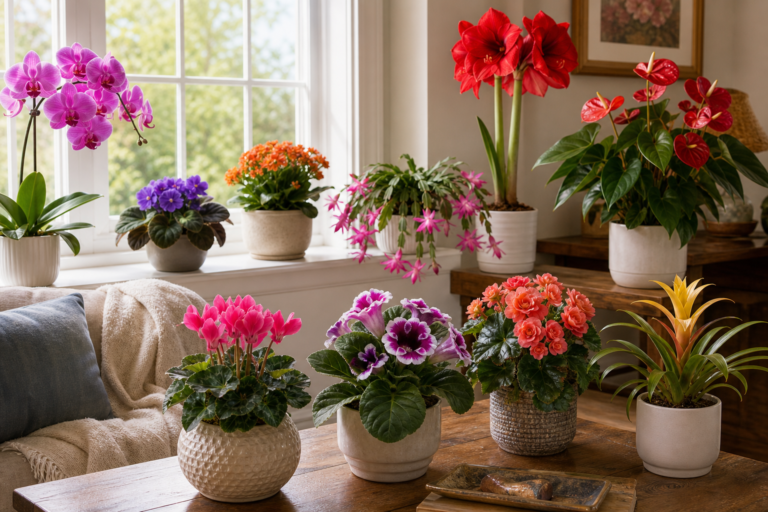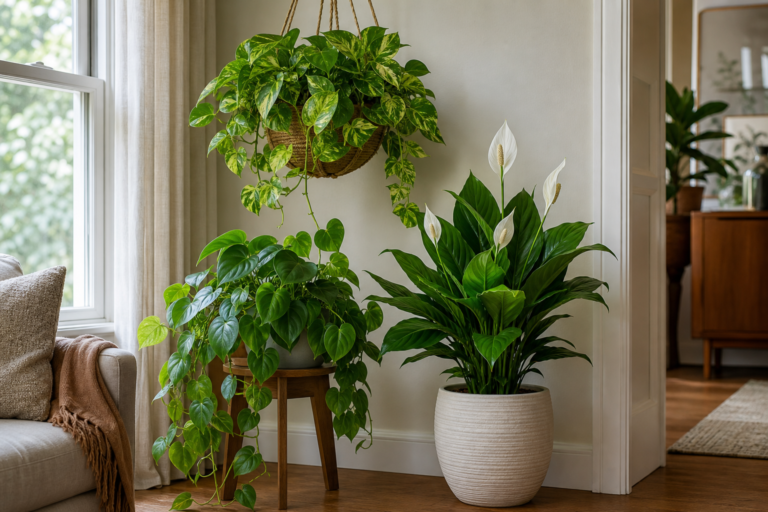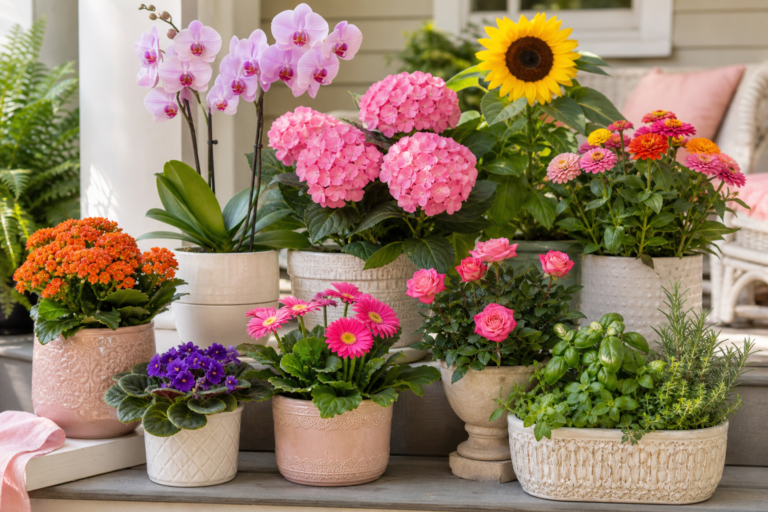
A home can smell wonderful without relying on candles, plug-ins, or sprays. The right houseplant adds fragrance gradually and naturally, while also bringing flowers, glossy foliage, or a trailing shape into the room.
Fragrant plants do need a little more thought than easy foliage favorites. Most flowering houseplants require strong light, and many dislike the dry air, temperature swings, or inconsistent watering common in American homes. The good news is that you do not need a greenhouse to grow them. Choose a plant that matches your brightest window, then build a simple care routine around its needs.
These five choices offer different kinds of fragrance: rich and floral, sweet and citrusy, or bright and lemony. You will also find practical watering checks, variety comparisons, and a simple growing experiment to help you discover which scent performs best in your own home.
Before You Buy: Fragrance Starts With Light
Flowers produce the strongest scent when the plant has enough energy to grow and bloom. A bright south- or west-facing window is usually the best starting point for gardenia, jasmine, citrus, and scented geraniums. An east-facing window can also work well, especially where afternoon sun is intense.
Bright light does not always mean baking-hot glass. If leaves become pale, crispy, or scorched, move the plant a few inches farther from the window or filter the strongest midday sun with a sheer curtain. During short winter days, a grow light may help flowering plants remain vigorous.
- Choose plants with healthy leaves and no visible insects or sticky residue.
- Look for a pot with a drainage hole.
- Check the plant label for the mature size, especially for citrus and jasmine.
- Ask whether the plant is sold as a flowering houseplant, a patio plant, or a tender perennial that needs winter protection.
1. Gardenia: The Classic Perfume-Box Flower
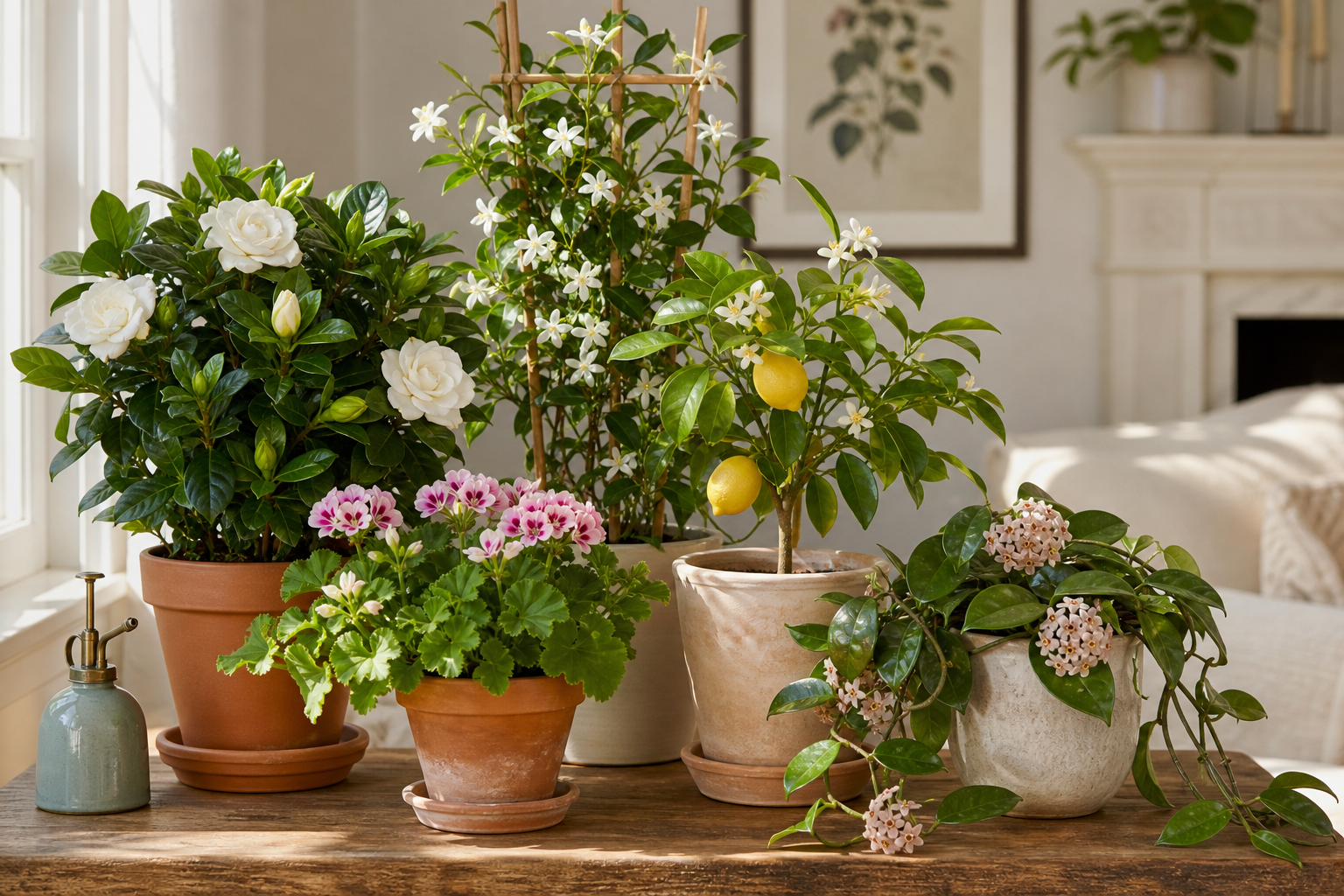
Gardenia jasminoides, often called cape jasmine, is famous for its creamy white flowers and powerful, sweet fragrance. A single open bloom can scent a small room, particularly in the evening or when the air is still. Its glossy, deep green leaves make it attractive even between flowering periods.
Gardenia is also the most demanding plant on this list. It prefers bright light, warm conditions, higher humidity, and soil that stays evenly moist without becoming soggy. Dry soil, very dry indoor air, sudden temperature changes, or a hot draft can cause flower buds to drop before they open.
How to grow it successfully
- Place it near a bright window with protection from harsh afternoon sun.
- Use a well-drained potting mix formulated for acid-loving plants.
- Water when the top inch of mix feels slightly dry, then let excess water drain fully.
- Keep it away from heating vents, air-conditioning blasts, and cold winter glass.
- Provide extra humidity with a room humidifier or by grouping plants together.
Gardenia varieties can differ in size and flowering habit. Compact selections are easier to manage on a windowsill, while larger plants make a better floor specimen. If you are new to gardenias, buy one in bloom so you can judge the fragrance and see whether your home can provide the light it needs.
2. Jasmine: Sweet Fragrance From a Climbing Vine
Jasmine brings a distinctly sweet, almost honeyed fragrance to the home. Several jasmine species are sold as indoor or seasonal container plants, and their twining stems can be trained around a small hoop, trellis, or plant support.
Unlike many low-light houseplants, jasmine needs strong light to flower well. A sunny window is important, and a few hours of direct sun can be helpful when the plant has adjusted gradually. With insufficient light, it may produce long, weak stems but few flowers.
Simple jasmine care
- Give it the brightest indoor location you have, while watching for leaf scorch.
- Support the stems early so the vine does not become tangled.
- Water when the upper inch of soil feels dry, adjusting the schedule for season and room temperature.
- Prune lightly after flowering to maintain a compact shape.
- Allow good air circulation around the foliage without placing the plant in a draft.
Jasmine is a good choice if you want fragrance near a reading chair, bedroom window, or entryway. The scent can become intense in a small room, so start with one plant rather than several. If your jasmine spends summer outdoors, ease it into outdoor sun over about a week and inspect it carefully for pests before bringing it inside in fall.
3. Calamondin Orange or Meyer Lemon: Citrus Blossom in a Pot
Dwarf citrus plants offer two fragrances in one package: fragrant white blossoms and aromatic leaves. Calamondin orange, kumquat, and Meyer lemon are among the most practical citrus choices for indoor growing. Their fruit is decorative, although indoor fruit production is never guaranteed.
The flowers are often the real reward. Citrus needs plenty of direct light, so place it in a south- or southwest-facing window whenever possible. If natural light is weak, supplemental lighting can make a noticeable difference in growth and flowering.
What citrus needs indoors
- Use a loose, well-drained potting mix and a container with a drainage hole.
- Give the plant several hours of bright light daily.
- Water thoroughly when the top 1 to 2 inches of mix feel dry.
- Empty the saucer after watering so the roots do not sit in water.
- Wash or wipe leaves occasionally to remove dust and help you spot pests.
Indoor citrus may flower without producing fruit because pollinating insects are usually absent inside. If flowers appear, gently shake the branches or touch the flowers lightly to help distribute pollen. Consider fruit a bonus rather than the main reason to grow the plant.
Different citrus varieties create different experiences. Meyer lemon tends to offer a fresh lemon scent and attractive fruit, while calamondin often stays more compact and can carry small orange-like fruits. Kumquat is another good option if you prefer a plant with edible-looking fruit and a tidy shape.
4. Scented Geranium: Fragrance in the Leaves
Scented geraniums are not grown primarily for their flowers. Their leaves release fragrance when brushed, rubbed, or handled, making them ideal for a sunny kitchen windowsill, home office, or plant shelf beside a frequently used doorway.
You can find varieties with lemon, rose, peppermint, apple, orange, lime, pineapple, or nutmeg-like aromas. The scent varies considerably from one plant to another, so it is worth smelling several varieties before choosing a favorite.
Growing a scented geranium indoors
- Provide a sunny window and rotate the pot every week or two for even growth.
- Use a fast-draining potting mix rather than heavy garden soil.
- Let the top inch or two of mix dry before watering again.
- Pinch growing tips to encourage a bushier plant.
- Trim weak or stretched stems before the plant becomes too lanky.
Scented geraniums are generally more forgiving than gardenias and jasmine. They may lose leaves when moved indoors from a summer patio, but steady light and careful watering often encourage fresh growth. In colder parts of the United States, bring them inside before the first frost. A cool, sunny room is preferable to a hot spot beside a radiator.
5. Hoya: Wax-Like Flowers With a Sweet, Citrus Note
Hoyas are popular for their thick leaves, trailing or climbing growth, and unusual clusters of star-shaped flowers. Hoya carnosa, commonly called wax plant, is one of the best-known choices. When it blooms, the flowers may produce a sweet fragrance with a lightly citrusy or jasmine-like character.
Hoya is often easier for beginners than gardenia because its fleshy leaves store water. That does not mean it should remain constantly dry, but it usually handles a missed watering better than a plant with thin leaves. The main challenge is patience: a young hoya may need time to mature before it flowers.
Help your hoya bloom
- Place it in bright indirect light or filtered sun, with enough light to support flowering.
- Use a well-drained potting mix and a container that is not excessively large.
- Water when the mix has dried noticeably, then drain thoroughly.
- Avoid repeatedly moving the plant once flower buds begin to form.
- Do not remove the short flowering spurs after blooms fade; future flowers may develop from the same points.
Hoyas work especially well in hanging baskets or on a high shelf where the vines can trail. Their fragrance is usually gentler than gardenia or jasmine, making them a good choice if you prefer a subtle scent rather than a room-filling perfume.
A Two-Week Watering Experiment for Better Results
Watering by the calendar is unreliable because indoor light, temperature, pot size, and humidity vary from room to room. Instead, try a simple two-week measurement exercise with one of your plants.
- Choose a pot with a drainage hole and place it on a saucer.
- Insert your finger about 1 inch into the soil, or use a wooden chopstick to check whether the mix is damp below the surface.
- Record the date whenever the plant needs water.
- Measure the water you use with a kitchen measuring cup. Start with enough to moisten the root ball thoroughly and allow a small amount to drain from the bottom.
- Empty the saucer after 10 to 15 minutes.
After two weeks, you will have a useful personal baseline. You might discover that a 6-inch scented geranium needs water every 5 to 8 days in a sunny summer window, while a hoya in a cooler room may go 10 to 14 days. Treat those numbers as observations, not rules. Always check the soil before watering, because a cloudy week or a sudden heat wave can change the schedule.
How to Make Plant Fragrance More Noticeable
Place fragrant plants where you naturally pass them, such as beside a reading chair, near a kitchen window, or on an entry table with sufficient light. Air movement helps distribute scent, but strong drafts can stress plants, so avoid positioning them directly beneath a fan or vent.
Keep flowers and leaves clean by gently removing dust with a soft cloth or a lukewarm shower when appropriate. Avoid heavily scented cleaners near the plant, since competing smells can make the natural fragrance harder to notice.
- Use one strongly scented plant as a focal point.
- Combine a floral plant with a foliage-scented plant for variety.
- Choose plants in different bloom seasons so fragrance does not disappear all at once.
- Do not overwater in an attempt to encourage flowers; stressed roots rarely produce better fragrance.
Which Fragrant Houseplant Should You Choose?
Choose gardenia if you want the strongest classic floral perfume and are happy to monitor moisture and humidity. Pick jasmine for a sweet-scented vine and citrus for fragrant blossoms, attractive fruit, and a sunny-window project. Scented geranium is the most flexible choice if you enjoy touching aromatic leaves, while hoya suits anyone who prefers a lower-maintenance plant with a more delicate floral scent.
Start with one plant, place it in the right window, and observe it for a month before adding another. With a little attention to light and watering, your home can smell fresh and inviting through the seasons—and your growing confidence will bloom right along with your plants.