Have you ever noticed that your houseplant looks lush and full on the window side, but sparse and slightly awkward on the other? That lopsided shape is usually the plant’s way of reaching for light. A simple quarter-turn now and then can help, but rotating is not a substitute for choosing the right location or fixing poor light.
For most indoor plants, rotation is a useful grooming habit rather than a strict rule. It can encourage more even growth, improve the plant’s appearance, and help you notice problems before they spread. Still, some plants prefer a consistent orientation, and a sudden change in light can stress sensitive foliage.
Why houseplants lean toward the window
Plants use light to make energy through photosynthesis. Indoors, light usually comes from one main direction: a nearby window or a grow light positioned above the plant. New leaves and stems gradually grow toward that brighter area, a response commonly called phototropism.
That is why a pothos may send its newest leaves toward the glass, a fiddle-leaf fig may develop a fuller crown on one side, or a jade plant may begin to tilt. The farther a plant sits from the window, the less light it receives, so even a bright room can provide very different conditions across a few feet.
Rotating the pot changes which side faces the light. Over time, more of the plant receives similar exposure, which can produce a more balanced silhouette. It will not make a low-light room bright, but it can prevent one side from doing all the growing.
What happens if you never rotate a houseplant?
Nothing disastrous happens overnight. Many houseplants will continue to grow if you leave them in the same position, especially if they receive adequate light. The changes tend to appear gradually.
1. One-sided growth
The most obvious result is an uneven shape. Stems may stretch toward the window while the shaded side produces fewer leaves. A trailing plant can become noticeably fuller on the light-facing side, while an upright plant may lean or develop a crooked trunk.
2. Sparse or leggy growth
If the plant receives only moderate light, the window-facing side may still stretch between leaves. This creates long, thin stems with larger gaps between leaves. Rotating can spread the available light, but it cannot fully correct conditions that are simply too dim.
3. Uneven leaf color and size
Leaves that receive more light may look denser, darker, or more vigorous than leaves on the shaded side. Variegated plants can be particularly revealing: new growth may lose some pattern in low light, although changes in variegation also depend on the plant’s genetics and cultivar.
4. A greater risk of tipping
A plant that continually grows in one direction can become top-heavy. This is more likely with tall plants, narrow containers, or plants with soft stems. Turning the pot helps distribute growth, but a heavy plant may also need pruning, staking, or a sturdier container.
5. Missed warning signs
When a plant stays in one position, the shaded side can be easy to ignore. Turning it gives you a regular opportunity to inspect the undersides of leaves, the soil surface, stems, and the drainage hole. You may spot yellowing, pests, damaged leaves, or roots circling the pot earlier.
How often should you rotate your plants?
There is no universal schedule. A practical starting point is to turn most foliage plants one-quarter turn every one to two weeks during active growth. In winter, when daylight is shorter and many plants grow more slowly, turning them every two to four weeks may be enough.
If you prefer a routine, rotate the plant a quarter-turn whenever you water. This is easy to remember, but do not water simply because the calendar says it is time. Check the soil and follow the plant’s needs first.
- Fast-growing foliage plants: Try a quarter-turn weekly or every two weeks.
- Slow-growing plants: A turn every three to four weeks may be sufficient.
- Plants under overhead grow lights: Rotation may be less important if the light reaches the plant evenly from above.
- Plants in strongly directional window light: Rotate more consistently, particularly during short winter days.
Not every plant needs the same treatment
Different varieties respond differently to light and movement. Compare a few common houseplants and you will quickly see why a single rule does not fit every pot.
Pothos and heartleaf philodendron
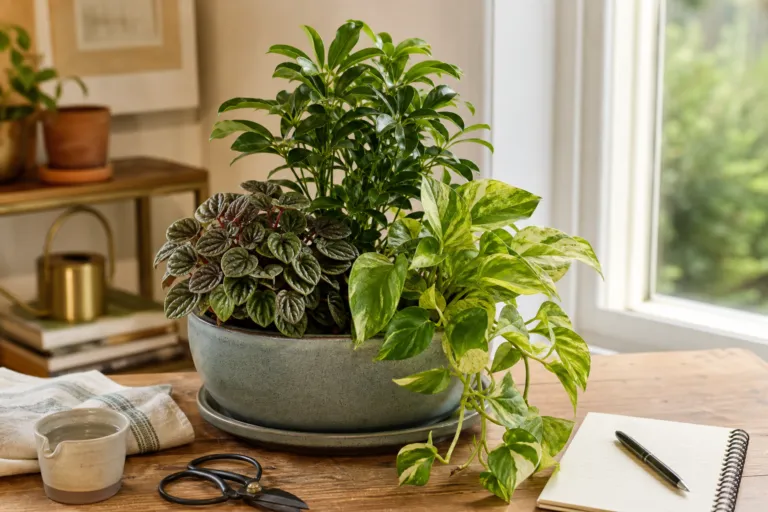
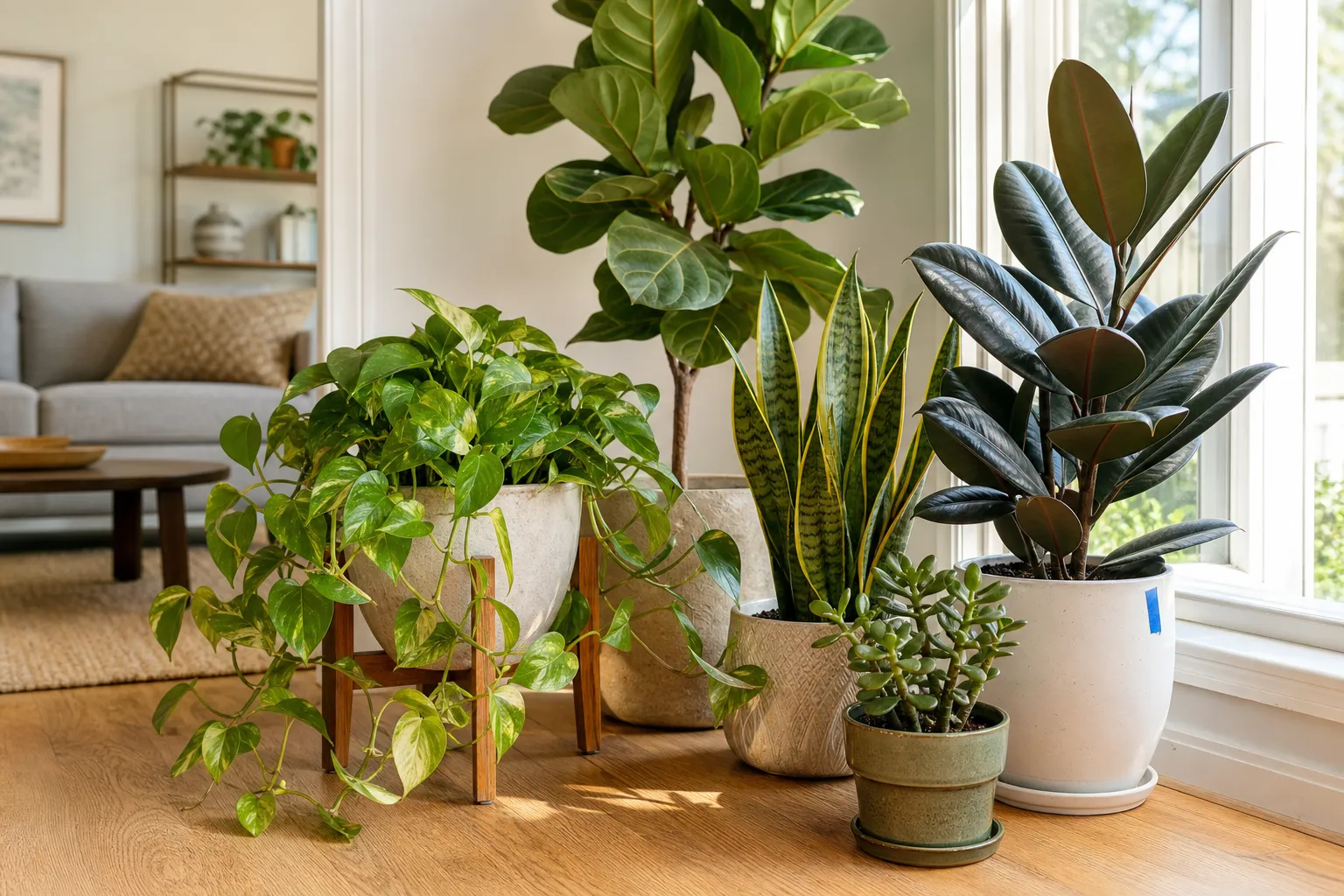
These flexible, trailing plants usually tolerate regular turning well. Rotation can help distribute new vines and keep the pot from looking fuller on one side. If you want a cascading display, however, you may deliberately position the longest vines toward the room instead of rotating the plant evenly.
Fiddle-leaf fig and rubber plant
These woody plants often show directional growth clearly. A slow quarter-turn every week or two can help maintain a balanced canopy. Avoid repeatedly making large changes in location at the same time, especially if the plant is moving from moderate light into strong direct sun.
Snake plant and ZZ plant
Both are relatively slow-growing and often need less frequent rotation. Their upright leaves may still lean toward a window, but a turn every few weeks is usually a reasonable starting point. Do not move them into brighter light abruptly just because one side looks darker.
Cacti, succulents, and sun-loving plants
These plants often benefit from strong light, but rotation requires care. Turning a plant can help maintain symmetrical growth, yet sudden exposure of a previously shaded side to intense sun may cause discoloration or scorching. Make changes gradually, especially near a south- or west-facing window.
Prayer plants and other plants with moving foliage
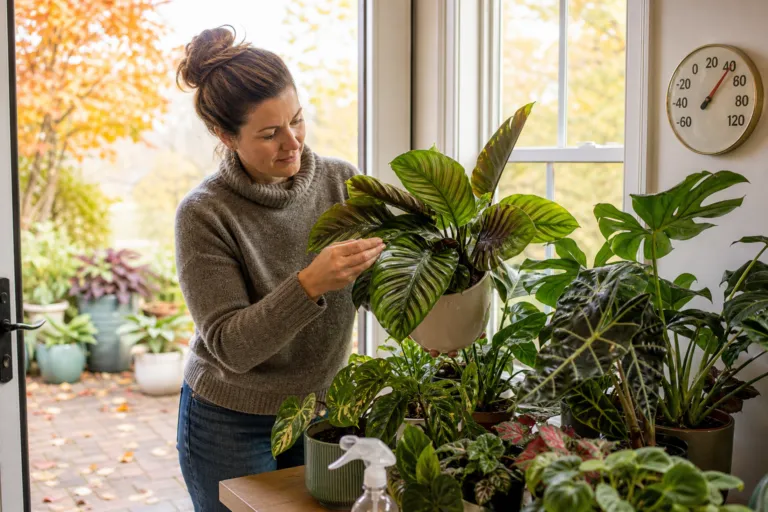
Plants with naturally mobile leaves may look different throughout the day. Their leaves can rise, lower, or change angle in response to light and darkness. Rotate them gently and focus first on providing the bright, filtered light and steady moisture they prefer.
A simple home experiment: rotated versus unrotated plants
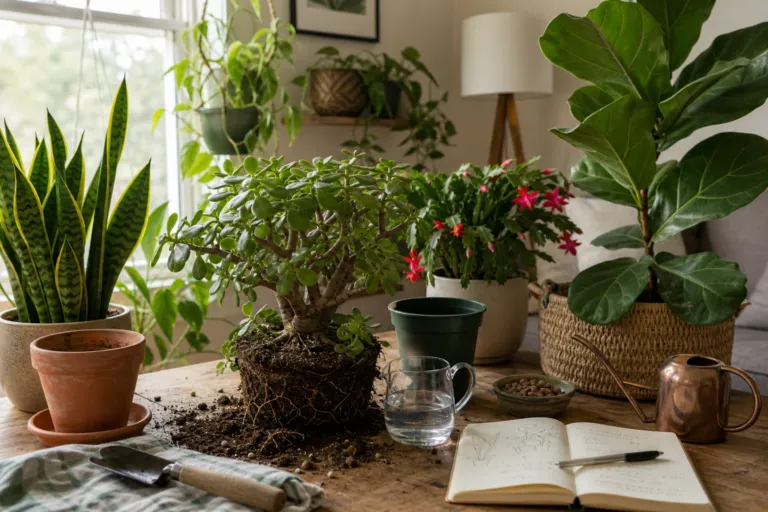
If you enjoy observing your plants, try a small comparison rather than relying on memory. Choose two healthy plants of the same variety and similar size. Place them at the same distance from the same window, with the same type of potting mix and drainage.
Rotate one plant a quarter-turn every week. Leave the other facing the same direction for six to eight weeks. Photograph both plants from the same angle each week, and note new leaves, stem direction, and the width of each plant.
For a fair test, avoid changing water, fertilizer, temperature, or location. A single household trial will not prove how every plant behaves, but it can show you how strongly your own window affects growth.
- Measure the widest point of each plant with a tape measure.
- Count new leaves or shoots once a week.
- Record whether stems lean and by how much.
- Note any pale patches, crispy edges, or leaf drop.
- Mark the pot with a small piece of tape so you can track its original orientation.
You may find that the rotated plant looks more balanced, while the unrotated plant grows faster on one side. You may also find little difference if the room has broad, even light or if the plant is naturally slow-growing.
Rotation is not a replacement for good light
A plant that leans is giving you information. It may need rotation, but it may also need a better location. Light requirements vary widely: a snake plant may tolerate a dimmer position, while a fiddle-leaf fig, jade plant, or many flowering plants generally need brighter conditions.
Watch for signs that the problem is larger than orientation:
- Long gaps between leaves
- Small new leaves
- Slow or stalled growth during the growing season
- Leaves turning unusually pale
- Persistent leaning despite regular rotation
- Flowering plants that produce foliage but few flowers
If you see these signs, move the plant closer to a suitable window in small steps. A sudden jump from a dim corner to intense afternoon sun can damage leaves, particularly when the plant has not acclimated.
How watering fits into the rotation routine
Rotation and watering are easy to combine, but the two jobs should remain separate. Turning the pot does not tell you whether the soil is dry. Check the mix with your finger or use a wooden skewer to test deeper into the pot, depending on the plant and container size.
As a practical measurement exercise, weigh a small plant after thoroughly watering and allowing excess water to drain. Weigh it again when the pot feels noticeably lighter and the top 1 to 2 inches of mix are dry. For example, a 6-inch pot might weigh 6 pounds after watering and 4 1/2 pounds when ready for another drink, but your numbers will depend on the pot, soil, and plant.
Record those weights for several weeks. This gives you a more useful watering guide than a fixed weekly schedule. A bright, warm window may dry the same plant faster than a cool, shaded location, and a large plastic pot may stay moist longer than a small clay pot.
- Water thoroughly until a little drains from the bottom.
- Empty the saucer so the pot does not sit in standing water.
- Allow the soil to dry to the level appropriate for that species.
- Rotate the pot only after you have finished watering and draining it.
When you should not rotate frequently
Be more cautious with plants that have just been moved, repotted, pruned, or brought indoors for winter. They are already adjusting to a new environment. Give them a stable position for a week or two before beginning a regular rotation routine.
Also take care with flowering plants, plants trained against a support, and specimens that you are intentionally shaping. If a plant has a preferred display side, you can turn it slightly without constantly changing its arrangement.
Never twist the stem, bend brittle growth, or lift a plant by its leaves. Grip the container with both hands and turn it gently. For a large plant, mark the floor with removable tape so you can make small, controlled changes.
The easiest routine to remember
For most houseplants, this simple habit works well:
- Check the soil and leaves once a week.
- Turn the pot one-quarter turn if the plant receives directional light.
- Take a quick look for leaning, pests, leaf damage, or roots emerging from the drainage hole.
- Adjust the location only when the plant shows a real need.
- Record watering observations for plants that are difficult to judge.
Do not worry if you miss a week. Houseplants are not clocks, and a short delay will not ruin a healthy specimen.
The bottom line
Yes, rotating your houseplants is usually worthwhile, especially when light comes from one window. If you never rotate, the most likely results are one-sided growth, leaning, uneven fullness, and a greater chance that you overlook problems on the shaded side.
But rotation works best as one small part of plant care. Start with the right light, use a pot with drainage, water according to the soil rather than the calendar, and make changes gradually. Turn your plants gently, observe how they respond, and adjust your routine to the variety in front of you. With that approach, even a beginner can grow a collection that looks healthier, fuller, and more naturally balanced.